


Hey there, fellow DIY enthusiasts! I'm a slubby yarn supplier, and I've seen the growing interest in making slubby yarn at home. It's a super fun and rewarding process that lets you create unique textures and styles for your knitting, crocheting, or other fiber arts projects. In this blog, I'm gonna walk you through the steps of making slubby yarn right in your own home.
What is Slubby Yarn?
First things first, you might be wondering what slubby yarn actually is. Slubby yarn is a type of yarn that has uneven, thick, and thin sections, creating a bumpy or slubby texture. These irregularities add visual interest and a rustic charm to your finished projects. You can find slubby yarn in various materials, like cotton, wool, and synthetic fibers. And if you're looking for some specific types, check out our PET High and Low Viscosity SPH, Cotton-Like, and Wool-like options.
Materials You'll Need
Making slubby yarn at home doesn't require a ton of fancy equipment. Here's what you'll need:
- Raw fibers: You can use natural fibers like wool, cotton, or silk, or synthetic fibers. You can buy these in the form of roving, which is a long, narrow bundle of fibers ready to be spun.
- Spinning wheel or spindle: A spinning wheel is a traditional tool for spinning yarn, but if you don't have one, a spindle works just fine. It's a small, handheld tool that you can use to twist the fibers into yarn.
- Carding tools: Carding is the process of aligning the fibers so they're easier to spin. You can use hand cards, which are small, brush-like tools, or a drum carder if you have a larger amount of fibers.
- Scissors: You'll need scissors to cut the fibers and the finished yarn.
- Optional: Dye or other additives to color or add texture to your yarn.
Step 1: Prepare Your Fibers
The first step in making slubby yarn is to prepare your fibers. If you're using natural fibers, they may have dirt, debris, or other impurities that need to be removed. You can do this by washing the fibers in warm, soapy water and then rinsing them thoroughly. Make sure to dry the fibers completely before moving on to the next step.
Once your fibers are clean and dry, it's time to card them. Carding helps to align the fibers and remove any remaining tangles. If you're using hand cards, simply hold one card in each hand and rub the fibers between the teeth of the cards. Work in small sections and repeat until the fibers are evenly distributed and fluffy. If you're using a drum carder, feed the fibers into the carder and let it do the work for you.
Step 2: Spin Your Yarn
Now it's time to start spinning your yarn. If you're using a spinning wheel, sit in front of the wheel and adjust the tension and speed settings according to your preference. Take a small amount of the carded fibers and draft them out into a thin strip. Drafting is the process of pulling the fibers apart to make them thinner and longer.
Attach the end of the drafted fibers to the leader on the spinning wheel. Then, start turning the wheel and use your hands to continue drafting the fibers. As you turn the wheel, the fibers will twist together to form yarn. Keep adding more fibers and drafting them as you go, adjusting the thickness of the yarn as needed.
If you're using a spindle, hold the spindle in one hand and the fibers in the other. Twist the spindle to start the spinning motion, and then use your fingers to draft the fibers and feed them onto the spindle. As the spindle spins, the fibers will twist together to form yarn. Keep adding more fibers and drafting them as you go, adjusting the thickness of the yarn as needed.
Step 3: Create the Slubs
To create the slubs in your yarn, you'll need to vary the thickness of the fibers as you're spinning. When you want to create a slub, add more fibers to the drafting process. This will make the yarn thicker and create a bumpy section. To continue with the regular section of the yarn, reduce the amount of fibers and draft them out thinner.
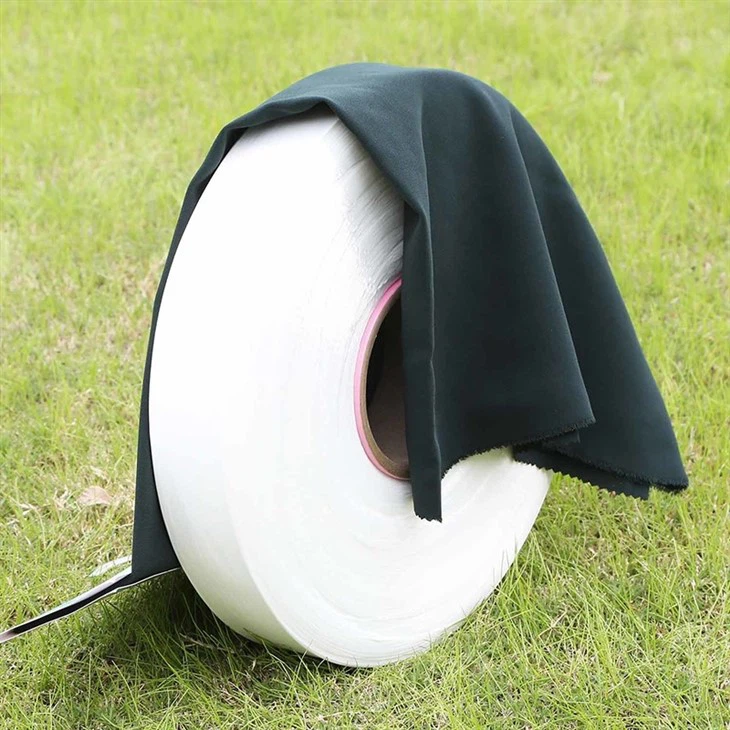

You can create slubs of different sizes and shapes by varying the amount of fibers and the length of the thick sections. Experiment with different techniques to find the look you like best. You can also try adding different colors or types of fibers to create more interesting slubs.
Step 4: Set the Twist
Once you've finished spinning your slubby yarn, it's important to set the twist so the yarn doesn't untwist. You can do this by soaking the yarn in warm water for about 20 minutes. Then, gently squeeze out the excess water and hang the yarn to dry. Make sure to let the yarn dry completely before using it in your projects.
Step 5: Finish Your Yarn
After the yarn has dried, you can finish it by winding it into a ball or skein. You can use a ball winder or do it by hand. Winding the yarn into a ball makes it easier to use in your projects and keeps it organized.
Tips and Tricks
- Practice makes perfect: Spinning yarn takes some practice, so don't get discouraged if your first attempts aren't perfect. Keep practicing and you'll get better over time.
- Use different fibers: Experiment with different types of fibers to create unique textures and colors in your slubby yarn. You can also mix different fibers together to create interesting blends.
- Add embellishments: You can add beads, sequins, or other embellishments to your slubby yarn to make it even more unique. Simply thread the embellishments onto the yarn as you're spinning it.
- Have fun: Making slubby yarn at home is all about having fun and being creative. Don't be afraid to try new things and experiment with different techniques.
Conclusion
Making slubby yarn at home is a fun and rewarding way to create unique and personalized yarn for your fiber arts projects. With a little practice and the right materials, you can make beautiful slubby yarn right in your own home. So, what are you waiting for? Grab some fibers and start spinning!
If you're interested in purchasing high-quality slubby yarn or have any questions about the process, don't hesitate to reach out. We're here to help you with all your slubby yarn needs. Whether you're a beginner or an experienced spinner, we've got the products and expertise to support your creative journey.
References
- "The Spinner's Book" by Maggie Righetti
- "Handspun Yarns: Design, Dye, and Spin for Texture, Color, and Style" by Carol J. Sulcoski
- Online resources and tutorials from fiber arts communities and experts.