


PET
Why Choose Us?
Quality products
The company has Germany barmag high-speed loading machine, TMT Japan imported winding machine, specializing in the production of various specifications of porous fine denier and differentiated microfiber products.
Wide range of products
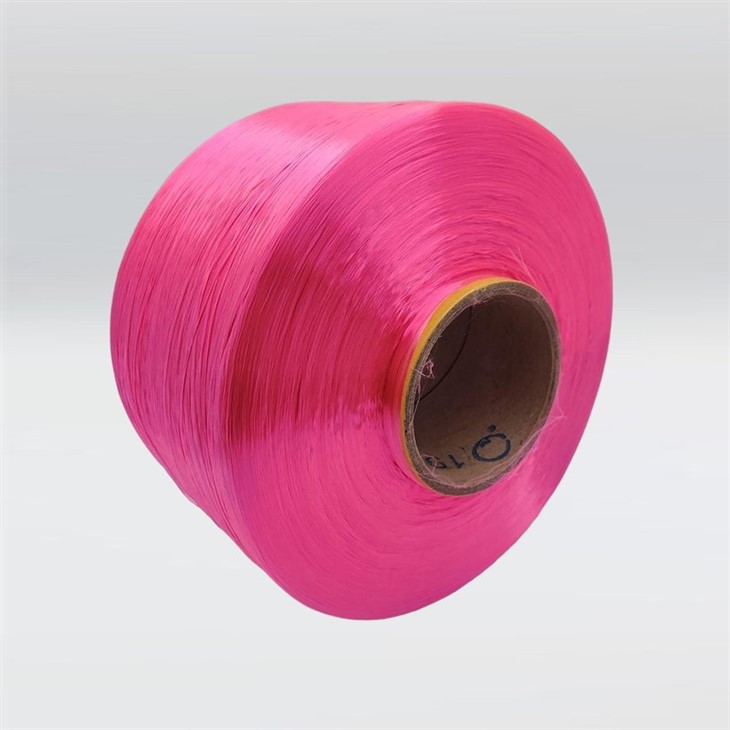
Microdenier fiber; High elastic series: High elastic ultra-high elastic, PTT, PBT can be with function or color; Imitation cotton series; Regeneration series; Cationic luminous series; Functional yarn; PLA fiber; Polyester color silk, etc., can accept a variety of differentiated fiber customization.
Reliable service
We with the best cooperation team, in line with the common development with customers, create value faith, constantly improve the quality of their products, gain customers trust and love.
Professional team
We have professional R&D team, with many internationally renowned enterprises discuss for research, development and application in environmental protection and functional yarn and fabric.
What Is PET
Polyethylene terephthalate, commonly abbreviated PET, is a synthetic polymer used for production of plastic bottles. PET is a particular type of polyester yarn produced from recycled post-consumer plastic bottles and collected and processed in Italy. It has become a certified yarn, used to produce comfortable, high-performance and sustainable fabrics for the fashion industry.


Benefits of PET for Spinning Yarns
Strength and durability
PET are known for their excellent strength and durability properties, directly translating into high-quality yarns. The resulting spun yarns exhibit superior tensile strength and resilience, making them ideal for various textile applications.
Versatility
PET can be easily modified and processed to create yarns with different characteristics. They can be blended with other fibers, such as cotton or wool, to enhance properties like softness, moisture-wicking, or breathability. This versatility allows textile manufacturers to create yarns tailored to meet various customer needs.
Color retention
Resulting in yarns that maintain vibrant and long-lasting colors. This colorfastness ensures that textile products made from PET chip-based yarns retain their aesthetic appeal even after repeated washing and exposure to sunlight.
Characteristic of PET Yarn
Recycled polyester yarn produced from PET bottles and yarn waste: With recycled polyester filament yarn production, PET bottles are used as raw materials as waste PET bottles are collected from nature. In addition, waste PET bottles and yarns are reused in PET production and regained into the economy.
● Flame-retardant yarns: These yarns meet the test standards of America, France, and the UK and they offer a flame-retardant feature in case of fire and provide long-term protection.
● Functional yarns that prevent color fading: UV Resistant PET yarns are developed for outdoor fabrics such as awnings, tarpaulins, and garden furniture. They slow down color fading caused by sunlight.
● Very interesting performance with Dry Touch: The certified performance fabric brand with fabrics that allow the air to be breathed from the outside to the inside and the moisture from the inside to the outside, it provides real ease of use in sportswear, underwear, denim wear, work uniforms.
● Fluorescent yarns offer solutions for work safety uniforms.
● Thermal-featured yarn helps the user to improve thermal comfort against the harsh conditions of winter.
Usage of PET Yarn in Sportswear


One of the primary uses of PET yarn in sportswear is in the production of athletic wear, such as sports bras, leggings, shorts, and t-shirts. The yarn is lightweight and breathable, making it comfortable for the wearer to move and exercise. Additionally, PET yarn can be blended with other fibers, such as spandex, to create a stretchy and flexible fabric that can move with the body.
Another popular use of PET yarn in sportswear is in the production of compression garments. These garments are designed to provide support and compression to specific areas of the body, such as the legs and core, to enhance performance and reduce the risk of injury. The stretchy and durable nature of PET yarn makes it an ideal material for these types of garments.
Durability
One of the main benefits of using PET yarn in sportswear is that it adds more durability. In addition, PET yarn is strong and resistant to wear and tear, making them ideal for sportswear that will be worn and washed frequently.
Breathable and quick-drying
PET yarn has become a primary choice for sportswear because of the combination of its properties that make it ideal for this purpose. One of the essential aspects of sportswear is breathability, as it allows air to circulate and lets heat escape, making the wearer more comfortable. Moreover, quick-drying properties are also crucial, as they help to keep the wearer dry and comfortable during physical activity.
Moisture-wicking
PET yarn is good at moisture-wicking. The yarn can quickly wick away moisture from the skin, keeping the wearer dry and comfortable during physical activity. This is especially important in athletic activities where sweating is common.
Cost-effective
PET yarn is a cost-effective choice for sportswear manufacturers. This is because it's relatively inexpensive and can produce in mass production. Furthermore, sportswear made of PET yarn is cheaper than other materials and widely available in various colors and styles, making it a popular choice for sportswear buyers who need high-quality garments at an economical price.
Elasticity
PET yarn makes sportswear good at retaining its shape. Unlike natural yarns, such as cotton, PET yarn doesn't stretch or shrink over time. This means sportswear made from PET yarn will maintain its fit and shape even after multiple washes and wears.
Easy to care
Sportswear made of PET yarn can be easily cleaned in a washing machine without the risk of shrinkage or damage. This makes it an excellent choice for sportswear, as it can be washed after each use to remove sweat and bacteria, maintaining its appearance and freshness.
Mildew resistant
PET yarn doesn't absorb moisture and doesn't support the growth of mold or mildew, which are common problems occurred with natural fibers like cotton or wool. This makes it a popular choice for sportswear that is often damp from your sweat. Additionally, PET yarn is easy to clean and dries quickly, reducing the risk of mildew growth.
UV resistant
PET yarn is known to be UV resistant. The yarn has a certain level of protection against damage from ultraviolet (UV) light. In addition, it can protect the wearer from harmful UV rays, which can cause skin damage and sunburn. This makes it ideal for sportswear or outdoor applications where exposure to UV light is a concern.
Advantages of Enhancing Textiles with PET Yarn
More durability
Durability is the first key benefit of using PET yarn when it comes to enhancing textiles. PET yarn is one of the most durable types of existing yarn. The yarn is much stronger and more resilient than cotton and other natural fibers, so it can stand up to regular wear and tear better than other fabrics. These make PET yarn ideal for clothing that needs to be frequently worn and laundered, such as uniforms or towels, as it will hold its shape and strength through many wash cycles.
Versatility
PET yarn is available in various lengths, weights, textures, and colors, plus it can be easily blended with other fibers. These make it an excellent choice for creating fabrics with unique color combinations and textures, giving you even more options for creating projects with personal style.
PET yarn is also highly versatile and can be used in various applications. PET yarn can create soft and fluffy fabrics which are perfect for making clothes, curtains, and blankets. On the other hand, it can also create strong, stiff fabrics suitable for outdoor use, such as tents and awnings.
More colorful
PET yarn can be dyed in a wide range of colors, making it a great option for brightening up textile projects. It can add color and contrast to any textile project.
PET yarn is naturally highly resistant to fading and color transfer, so fabrics made with this yarn will keep their vibrant colors for longer. PET yarn also resists the damaging effects of the sun, chlorine, and sweat. These make it perfect for livening up any home or wardrobe.
Easier to care
PET yarn is a popular choice for many knitters because of its low-maintenance care. It's also long-lasting and resistant to mold and mildew.
PET yarn is also generally easier to wash and care for than other types of yarns, making it an ideal choice for busy lifestyle textiles. Its excellent wrinkle-resistance also means that fabrics made with it will be less prone to looking crumpled or wrinkled after cleaning.
Affordable
One of the best things about PET yarn is it's very affordable. PET yarn is often more cost-effective than its natural fiber counterparts, making it an excellent choice for budget-conscious consumers. This will not only mean a lower cost to produce, but it will also result in more affordable garments for the end user. These make it a great option for anyone looking to enhance textiles without breaking the bank.
What Are the Key Requirements for Using PET in Spinning Yarns

Consistent quality
To produce high-quality spun yarns, it is essential to start with PET of consistent and reliable quality. A renowned provider of PET chips, ensures strict quality control measures to deliver chips that meet industry standards and specifications.
Melting and extrusion
PET must be melted and extruded through spinnerets to form continuous filaments. The melting and extrusion process requires precise temperature control and proper equipment to ensure the uniformity and integrity of the resulting filaments.

Twisting and spinning
The continuous filaments formed from melted PET chips are intertwined to create yarns. This twisting requires skilled technicians and well-maintained spinning machines to ensure proper tension, twist level, and yarn structure.

Testing and quality assurance
Throughout the spinning process, regular testing and quality assurance measures are crucial to monitor the yarn's strength, consistency, and other relevant properties. This ensures that the final spun yarns meet the desired quality standards.
What Are the Applications of PET Yarn
PET yarn have a large span of applications across different industries, including:
Textiles
PET yarn are utilized in the manufacturing of carpets, rugs, upholstery, and other fabrics. They are recognized for their stability and resistance to wear and tear.
01
Packaging
PET yarn are utilized in the manufacturing of packaging materials, such as bags, bags, and wrapping fabrics. They are light in weight, strong, and resilient to moisture and chemicals.
02
Geotextiles
PET yarn are utilized in construction manufacturing for soil stabilization and erosion control. They can also be utilized in the manufacturing of geotextile materials for roadways, railways, and other infrastructure tasks.
03
Agriculture
PET yarn are utilized in the production of crop covers, shade nets, and other farming fabrics. They deliver safeguards against pests, UV emissions, and severe weather situations.
04
Automotive
PET yarn are utilized in the production of car seats, floor mats, and other automotive components. They are resilient to wear and tear and can resist high climates.
05
Our Factory
Suzhou Junhui Textile Co., Ltd
The company is founded on JUN. 2015, it is committed to develop and sell differential yarn: Microfine yarn, Recycle yarn, Flame retardant yarn, Cationic dyeing yarn and Knitting fabric products. We have professional R&D team, with many internationally renowned enterprises discuss for research, development and application in environmental protection and functional yarn and fabric. The products are over 90% for export, we have broad customer base, and establish a cooperative relationship with the customer located in 36 countries. As a responsibility, the brand service oriented textile enterprise, we has always been convinced that the only customer success is our foothold. Therefore, we with the best cooperation team, in line with the common development with customers, create value faith, constantly improve the quality of their products, gain customers trust and love.


FAQ
We're well-known as one of the leading pet manufacturers in China. If you're going to wholesale cheap pet, welcome to get free sample from our factory. Also, customized service is available.
SD and CD DTY Polyester Yarn, Special Polyester Chips, Polyester Antibacterial Yarn Copper Ions