


Polybutylene terephthalate (PBT) is a high - performance engineering thermoplastic known for its excellent mechanical properties, chemical resistance, and processability. However, in many applications, improving its fatigue resistance is crucial to enhance the durability and lifespan of the final products. As a PBT supplier, we have in - depth knowledge and rich experience in this field. In this blog, we will explore various ways to improve the fatigue resistance of PBT.
Understanding Fatigue in PBT
Before delving into the improvement methods, it's essential to understand what fatigue in PBT means. Fatigue occurs when a material is subjected to repeated loading and unloading cycles. Over time, these cyclic stresses can cause micro - cracks to initiate and propagate within the PBT structure, eventually leading to failure. Factors such as the magnitude of the stress, the frequency of the loading cycles, and environmental conditions can all influence the fatigue behavior of PBT.
Material Selection and Modification
The first step in improving the fatigue resistance of PBT often starts with material selection and modification.
Using High - Quality Base Resins
Selecting high - quality PBT base resin is fundamental. Our company offers a range of PBT resins with different molecular weights and purity levels. Higher molecular weight PBT generally has better mechanical properties, including fatigue resistance. The long - chain molecules in high - molecular - weight PBT can better distribute the applied stress, reducing the likelihood of crack initiation.
Reinforcement with Fibers
Fiber reinforcement is a widely used method to enhance the fatigue resistance of PBT. Glass fibers are commonly used due to their high strength and stiffness. When glass fibers are incorporated into the PBT matrix, they can bear a significant portion of the applied load, preventing excessive stress concentration in the PBT resin. This effectively slows down the crack propagation process.
For example, in automotive applications, PBT parts reinforced with glass fibers can withstand the repeated vibrations and mechanical stresses during vehicle operation. Our glass - fiber - reinforced PBT products are designed to meet the stringent requirements of such applications, providing reliable performance over an extended period.
Copolymerization and Blending
Copolymerization and blending are also effective strategies. By copolymerizing PBT with other polymers or monomers, we can modify the molecular structure of PBT and improve its fatigue performance. For instance, blending PBT with polycarbonate (PC) can result in a material with enhanced toughness and fatigue resistance. The PC component can act as a toughening agent, absorbing the energy during cyclic loading and preventing crack growth.
Processing Optimization
The processing conditions during the manufacturing of PBT products can significantly impact their fatigue resistance.
Injection Molding Parameters
In injection molding, which is a common processing method for PBT, parameters such as melt temperature, injection speed, and holding pressure need to be carefully controlled. A proper melt temperature ensures good flowability of the PBT resin, allowing it to fill the mold cavity evenly. If the melt temperature is too low, the PBT may not flow well, leading to internal voids and stress concentrations in the final product, which can reduce fatigue resistance.
On the other hand, an appropriate injection speed and holding pressure help to form a dense and uniform product structure. Higher holding pressure can reduce the shrinkage and porosity of the molded part, improving its overall mechanical integrity and fatigue resistance.
Annealing Treatment
After molding, annealing treatment can be applied to PBT products. Annealing involves heating the PBT part to a specific temperature below its melting point and holding it for a certain period, followed by slow cooling. This process can relieve internal stresses generated during molding and improve the crystallization of PBT. Well - crystallized PBT has better fatigue resistance because the crystal structure can more effectively resist the propagation of cracks under cyclic loading.

Surface Treatment
Surface treatment is another aspect that should not be overlooked when aiming to improve the fatigue resistance of PBT.
Coating and Plating
Applying a protective coating or plating on the surface of PBT products can shield them from environmental factors such as moisture, chemicals, and abrasion, which can all accelerate fatigue failure. For example, a polyurethane coating can enhance the surface hardness and wear resistance of PBT, reducing the likelihood of surface damage that could initiate cracks.
Surface Modification
Surface modification techniques, such as plasma treatment or chemical etching, can also be used to improve the adhesion of coatings or to increase the surface roughness of PBT. A rougher surface can provide better mechanical interlocking with the surrounding environment or other components, enhancing the overall durability and fatigue resistance of the PBT part.
Applications and Product Offerings
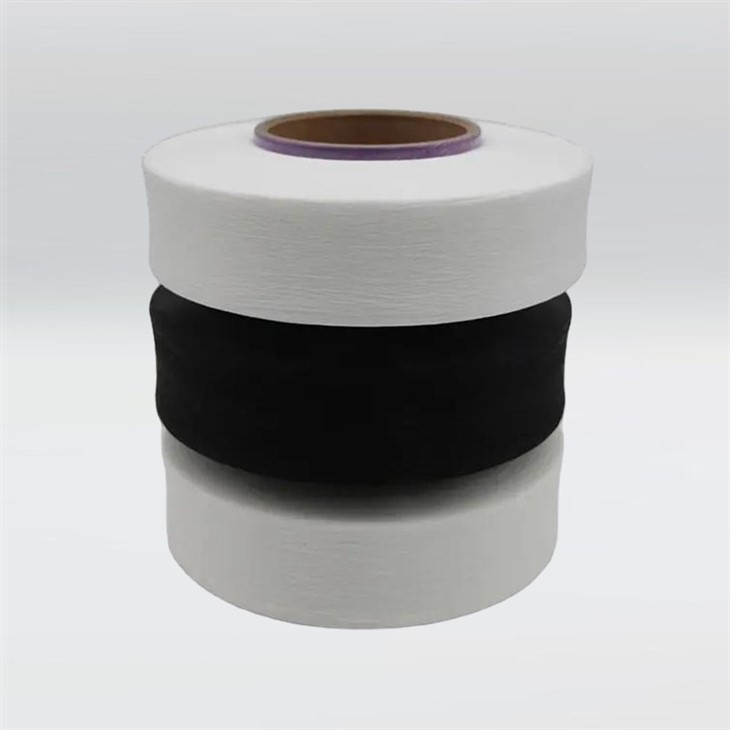
Our improved PBT products with enhanced fatigue resistance have a wide range of applications. In the textile industry, we offer PBT Polyester Yarn for Underwear. This yarn is suitable for underwear production because it can withstand the repeated stretching and washing cycles, maintaining its elasticity and shape over time.
In the swimwear industry, our T800 PBT and PET Polyester Yarn for Swimsuits is an excellent choice. Swimsuits made from this yarn can endure the continuous movement in water and the exposure to chlorine and sunlight, providing long - lasting performance.
We also have T800 PBT and PET Black Polyester Yarn, which is suitable for various applications where both fatigue resistance and a black color are required.
Conclusion and Call to Action
Improving the fatigue resistance of PBT is a multi - faceted process that involves material selection, processing optimization, and surface treatment. As a professional PBT supplier, we are committed to providing high - quality PBT products with excellent fatigue resistance to meet the diverse needs of our customers.
If you are interested in our PBT products or have specific requirements for improving fatigue resistance in your applications, we welcome you to contact us for further discussions and potential procurement. Our team of experts is ready to offer you customized solutions and technical support.
References
- "Engineering Plastics Handbook", edited by a group of polymer experts. This handbook provides comprehensive information on the properties and processing of engineering plastics, including PBT.
- Research papers on the fatigue behavior of PBT published in international polymer - related journals, which offer in - depth analysis and experimental results on improving the fatigue resistance of PBT.