


As a reputable slubby yarn supplier, I've received numerous inquiries about the shrinkage properties of slubby yarn. This topic is of great concern to many customers, as shrinkage can significantly impact the quality and performance of the final textile products. In this blog post, I'll delve into the factors that influence the shrinkage of slubby yarn and provide some insights based on my experience in the industry.
Understanding Slubby Yarn
Slubby yarn is characterized by its irregular thickness, with thick and thin sections along its length. This unique texture gives fabrics made from slubby yarn a distinctive and rustic appearance, making them popular in various applications, including casual wear, home textiles, and artisanal products. The irregularity in slubby yarn is achieved through specialized spinning techniques that introduce variations in the twist and fiber distribution.
Factors Affecting Shrinkage
The shrinkage of slubby yarn is influenced by several factors, including the fiber composition, spinning process, and finishing treatments. Let's take a closer look at each of these factors:
Fiber Composition
The type of fiber used in slubby yarn plays a crucial role in determining its shrinkage behavior. Natural fibers such as cotton, wool, and silk tend to have higher shrinkage rates compared to synthetic fibers like polyester and nylon. Cotton, for example, can shrink up to 5-10% when exposed to moisture and heat, while wool can shrink even more, especially if not properly treated. Synthetic fibers, on the other hand, are generally more resistant to shrinkage due to their molecular structure.
As a slubby yarn supplier, we offer a wide range of fiber compositions to meet the diverse needs of our customers. Our SD and CD DTY Polyester Yarn is a popular choice for customers looking for a low-shrinkage option. Made from high-quality polyester fibers, this yarn offers excellent dimensional stability and resistance to shrinkage, making it suitable for applications where precise sizing is required.
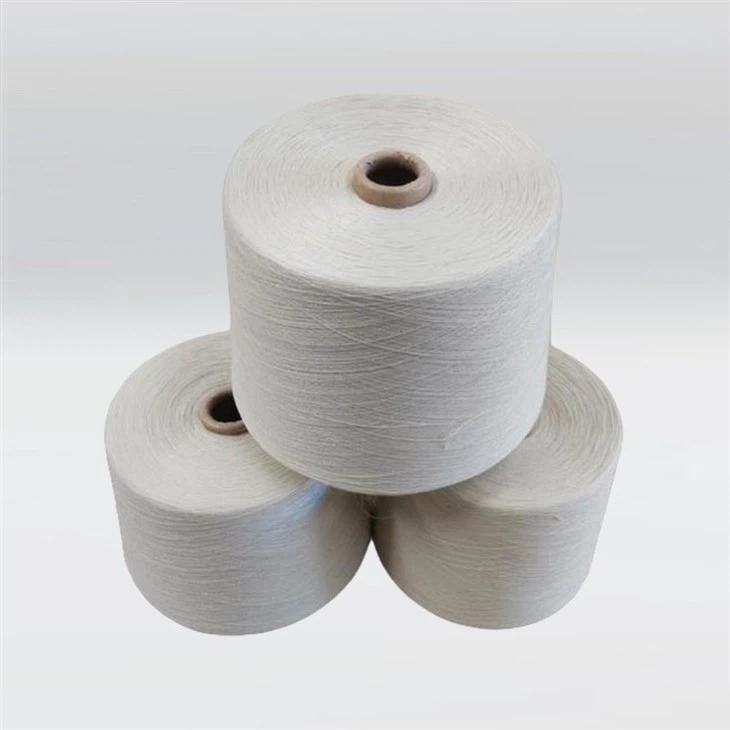

Spinning Process
The spinning process used to produce slubby yarn can also affect its shrinkage properties. Yarns that are spun under high tension or with a high twist factor tend to have lower shrinkage rates compared to those spun under low tension or with a low twist factor. This is because the high tension and twist help to lock the fibers in place, reducing their ability to move and shrink when exposed to moisture and heat.
At our production facility, we use advanced spinning technologies to ensure that our slubby yarns are spun under optimal conditions. Our experienced technicians carefully control the tension and twist during the spinning process to produce yarns with consistent shrinkage properties. This allows us to provide our customers with high-quality slubby yarns that meet their specific requirements.
Finishing Treatments
Finishing treatments such as mercerization, sanforization, and heat setting can also have a significant impact on the shrinkage of slubby yarn. Mercerization is a chemical treatment that improves the strength, luster, and dyeability of cotton yarns while reducing their shrinkage. Sanforization is a mechanical treatment that pre-shrinks the yarn by subjecting it to controlled moisture and heat, ensuring that the final fabric will not shrink during normal use. Heat setting is a process that involves heating the yarn to a specific temperature to set its shape and reduce its shrinkage.
As a slubby yarn supplier, we offer a variety of finishing treatments to our customers to enhance the performance and quality of our yarns. Our Wool-like slubby yarn, for example, undergoes a special finishing treatment to mimic the look and feel of natural wool while providing excellent shrinkage resistance. This makes it a popular choice for customers looking for a sustainable and cost-effective alternative to natural wool.
Minimizing Shrinkage
While some degree of shrinkage is inevitable, there are several steps that can be taken to minimize it. Here are some tips for minimizing the shrinkage of slubby yarn:
- Choose the Right Fiber Composition: As mentioned earlier, synthetic fibers such as polyester and nylon are generally more resistant to shrinkage compared to natural fibers. When selecting slubby yarn for your project, consider choosing a yarn made from synthetic fibers or a blend of synthetic and natural fibers to reduce the risk of shrinkage.
- Follow the Care Instructions: Always follow the care instructions provided by the manufacturer when washing and drying slubby yarn fabrics. Use a gentle cycle and cold water to minimize the exposure to heat and agitation, which can cause the yarn to shrink. Avoid using a dryer, as the high heat can cause the yarn to shrink and lose its shape.
- Pre-Shrink the Yarn: If you're using slubby yarn for a project where precise sizing is required, consider pre-shrinking the yarn before using it. This can be done by soaking the yarn in warm water for a few hours and then air-drying it. Pre-shrinking the yarn will help to ensure that the final fabric will not shrink during normal use.
- Use a Shrinkage-Resistant Finishing Treatment: As mentioned earlier, finishing treatments such as mercerization, sanforization, and heat setting can help to reduce the shrinkage of slubby yarn. When selecting slubby yarn for your project, consider choosing a yarn that has undergone a shrinkage-resistant finishing treatment to minimize the risk of shrinkage.
Conclusion
In conclusion, the shrinkage of slubby yarn is influenced by several factors, including the fiber composition, spinning process, and finishing treatments. While some degree of shrinkage is inevitable, there are several steps that can be taken to minimize it. As a slubby yarn supplier, we are committed to providing our customers with high-quality slubby yarns that meet their specific requirements. Our White and Black Polyester Yarn is a popular choice for customers looking for a low-shrinkage option that offers excellent colorfastness and durability.
If you're interested in learning more about our slubby yarn products or have any questions about shrinkage, please don't hesitate to contact us. Our team of experts is always available to provide you with the information and support you need to make an informed decision. We look forward to working with you to meet your slubby yarn needs.
References
- Textile Institute. (2019). Handbook of Textile Fibre Structure, Volume 1: Natural Fibres. Woodhead Publishing.
- Tortora, P. G., & Merkel, J. B. (2016). Fairchild's Dictionary of Textiles. Fairchild Books.
- Lewis, M. (2011). Textile Science. Pearson Education.